Heavy-duty Lathes Engineered For Roller Machining

Heavy-duty Lathes Engineered For Roller Machining
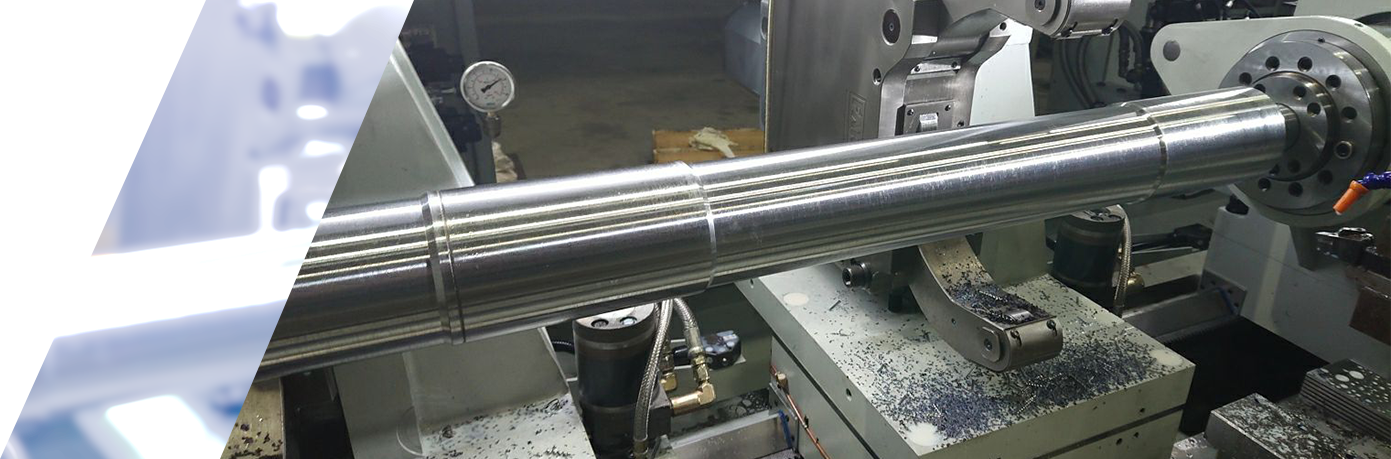
Machining large industrial rollers presents unique engineering challenges because of their extreme weight, long dimensions, and the high precision required for their surface finish. Here are the primary difficulties in roller machining:
Vibration and Chatter (Stability Issues)
Length-to-Diameter Ratio: Rollers are often very long and thin relative to their weight. This makes them prone to "sagging" or bending under their own weight or under cutting pressure.
Chatter Marks: If the lathe isn't rigid enough, vibration causes "chatter," which leaves wavy patterns on the roller surface. This is why Annn Yang uses extra-wide beds and Meehanite casting to dampen these vibrations.
Material Hardness
Tough Coatings: Many rollers (like those in steel mills) are made of high-strength alloys or have hardened surfaces (like chrome plating or specialized coatings). Machining these requires high torque at low speeds and extremely durable tooling.
Tool Wear: Because the surface area is so large, a cutting tool might wear out before it even finishes a single pass, leading to inconsistencies in the finish.
Workpiece Support and Alignment
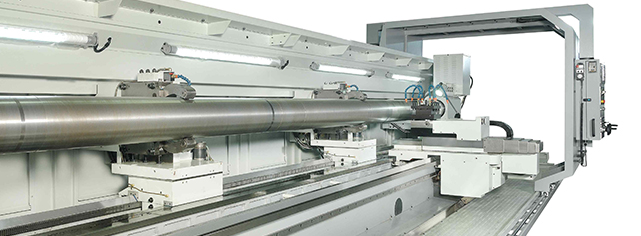
The Need for Steady Rests: You cannot support a long roller only by the chuck and tailstock. You must use multiple Steady Rests to support the middle. If these are not aligned perfectly with the machine's spindle axis, the roller will be machined "off-center."
Weight Load: Large rollers can weigh 10 to 30 tons. Managing this weight requires a heavy-duty tailstock and a spindle with massive bearing capacity to prevent mechanical failure.
High-performance Heavy-duty Lathes Specifically Engineered For Roller MachiningHigh-performance Heavy-duty Lathes Specifically Engineered For Roller Machining

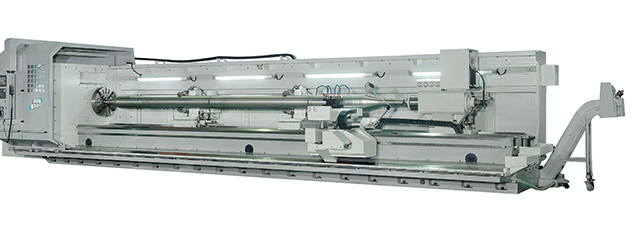
ANNN YANG provides high-performance heavy-duty lathes specifically engineered for roller machining, such as those used in the paper, steel, and energy industries. These machines are designed to handle large diameters and heavy workpieces while maintaining precision.

Technical Features & Advantages
  • High Rigidity Bed:
    Constructed from high-tensile Meehanite casting. The one-piece base design prevents vibration and tool chattering during heavy-duty operations.
  • Heavy Duty Tailstock:
    Specifically designed for stability, with quill diameters up to 300~500 mm and MT6/MT7 tapers live quill to support heavy workpieces.
  • Customization:
    Machines can be equipped with specialized accessories like C-axis for milling, Y-axis for off-center machining, and large-capacity steady rests to support long rollers.
Annn Yang Lathes For Roller Machining
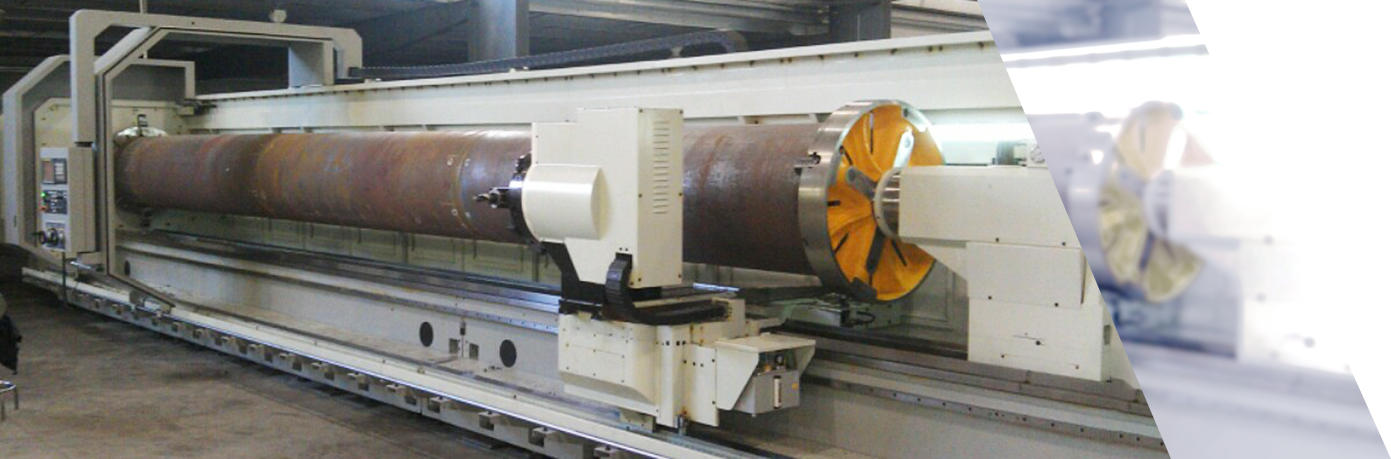
The key technology of Annn Yang lathes for roller machining lies in their high-rigidity structural design and extensive customization capabilities, which directly address the challenges of vibration and thermal expansion in long workpieces.
High-Rigidity Base Structure
One-Piece Meehanite Casting: The bed and base are constructed as a single unit using high-tensile Meehanite cast iron. This material provides superior vibration damping and prevents tool "chattering" during heavy-duty cutting on long rollers.
Extra-Wide Bed Design: Series like the DY-1200C utilize a 692 mm wide bed (and up to 1400 mm for the largest models) to provide a stable footprint for heavy cylindrical loads.
Precision-Hardened Guideways: Bed ways are high-frequency heat-treated and precision ground to a hardness exceeding HRC 56, ensuring long-term accuracy and wear resistance.
Specialized Heavy-Duty Components
3-Point Supported Spindle: The spindle is supported by three sets of precision bearings to maintain rotational stability and cutting accuracy over long machining cycles.
Rugged Tailstock & Quills: Tailstocks feature hardened and precision-ground quills (up to 300 mm diameter) designed to support the immense weight and axial pressure of industrial rollers.
Turcite-B Coating: Slide ways are coated with Turcite-B, a low-friction material that ensures smooth traverse and prevents "stick-slip" motion, which is critical for achieving fine surface finishes on rollers.
Advanced Customization for Rollers
Extreme Length Capacity: Annn Yang specializes in extreme "Between Center" distances, with standard options reaching 25 meters and special orders up to 40 meters.
Large Spindle Bores: Machines can be equipped with spindle bores up to 640 mm, allowing for the machining of rollers with oversized shafts or internal boring requirements.
Multi-Axis Functionality: For complex roller surfaces, machines can integrate C-axis with hydraulic brakes, Y-axis for off-center milling, and live tool turrets to perform turning, milling, and drilling in a single setup.

Applicable Workpieces

ANNN YANG lathes are engineered to machine a wide variety of industrial rollers used across multiple heavy-duty sectors. These rollers differ in material (steel, aluminum, or rubber-coated) and function, ranging from simple material transport to high-precision pressing and shaping.
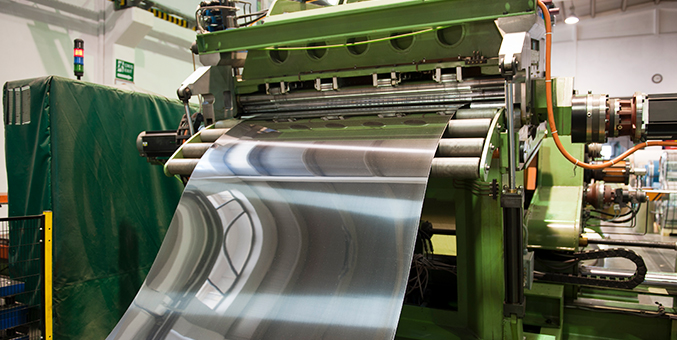

Heavy Industry & Steelwork Rollers

These are typically large, high-strength steel rollers that operate under extreme pressure and heat.
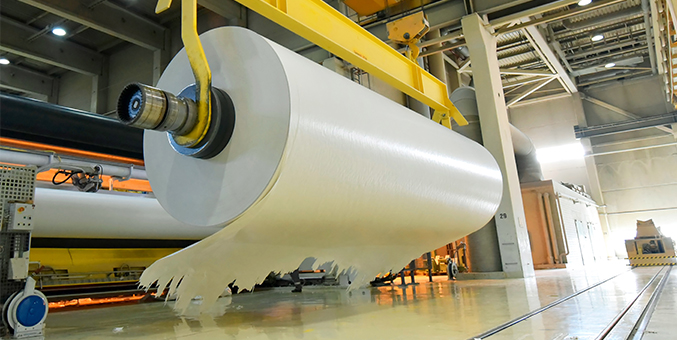
Steel Mill Rolls: Used for rolling and shaping steel sheets, rebars, or coils.
Calendering Rollers: Used in metallurgy to control the thickness of metal sheets.
Crushers and Grinding Rollers: Heavy-duty rollers designed for breaking down raw materials.
Paper & Pulp Industry Rollers

The paper industry requires exceptionally long and precisely balanced rollers to ensure consistent paper quality without wrinkles.
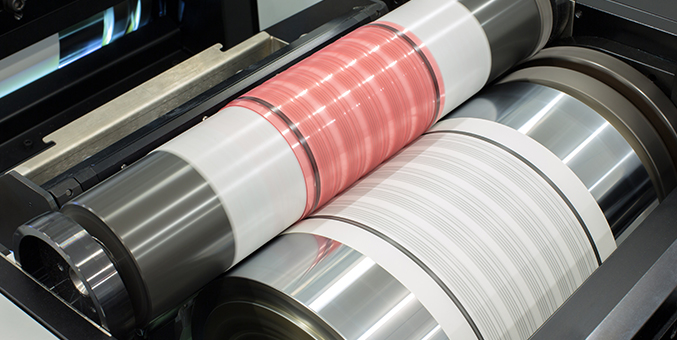
Forming & Press Rollers: Such as Breast Rolls or Suction Rolls that remove water from wet pulp.
Drying & Calendering Rolls: Heated rollers that dry and smooth paper surfaces.
Winding & Guide Rollers: Large-diameter rollers used to wind massive finished paper rolls.
Printing & Packaging Rollers

These rollers often require high-precision surface finishes or specialized coatings (like chrome or rubber) to transfer ink or laminate films.

Anilox Rollers: Engraved rollers used in flexographic printing to meter ink.
Nip & Laminating Rollers: Paired rollers that apply pressure to bond layers of packaging or film.
Spreader/Banana Rollers: Curved rollers designed to eliminate wrinkles in moving webs of paper or plastic.
Energy & Marine Industry Components

Annn Yang lathes also machine large cylindrical parts that function similarly to rollers in these sectors.

Windmill Shafts: Massive shafts for wind turbines.
Vessel Propeller Shafts: Long transmission shafts for ships and large boats. 5. General Industrial & Conveyor Rollers
Conveyor Drive Rollers: Large metal cores that drive heavy-duty conveyor systems in warehouses or mines.
Agricultural Rollers: Rugged drums used for soil compaction and seedbed preparation.

The value of ANNN YANG

The value of ANNN YANG lathes for roller machining lies in their high degree of customization, extreme structural rigidity, and long-term reliability, which collectively ensure a faster return on investment (ROI) for heavy-duty industrial applications.

Core Value Drivers
Customization Flexibility
ANNN YANG's primary value is its ability to produce non-standard, "special-purposed" lathes. This includes machining capacities for rollers up to 40 meters long and adding specialized axes (Y, B, or C) to perform turning, milling, and grinding in a single setup.
Vibration Control & Accuracy
By using one-piece Meehanite cast iron beds that are heat-treated for stress relief, these lathes maintain the high rigidity needed to prevent tool chattering on long rollers. This stability allows for "micro-machined" precision measured in microns.
Durability and Low Maintenance
Features like Turcite-B coated slideways reduce friction and wear, while three-point supported spindles ensure long-lasting cutting stability. These robust designs are intended to function reliably for decades in demanding environments like steel mills and paper plants.

Bed Width vs. Application Guide

Bed Width (mm) Roller Application Category Typical Applications Typical Machine Series
558 Medium Industrial Rollers Lightweight conveyor rollers, printing roller cores, textile shafts DY-860C ~ 1100C
692 Heavy-Duty Industrial Rollers Longer paper mill guide rolls, plastic film extrusion rollers DY-1200C ~ 1500C
888 Heavy Metalworking Rolls Steel mill rollers requiring deeper cutting passes and higher torque DY-1600C ~ 2000C
1040/1150 Ultra-Heavy Rollers Cold-rolling mill stands, mining and crushing equipment shafts DY-2000C ~ 2400C
1400/2000 Giant / Custom Rollers Paper drying cylinders, large marine propulsion shafts Specialized Heavy Duty

Specialized Heavy Duty Lathes - Why Bed Width Matters for Your Rollers

By offering this range, ANNN YANG ensures you don't overspend on a 2000mm bed for a light roller, but also ensures you have the necessary "muscle" for the world's heaviest industrial shafts.
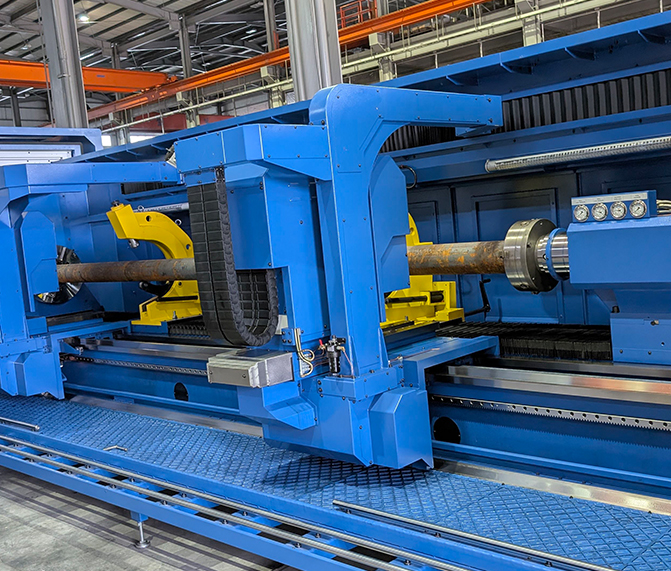
Specialized Heavy Duty Lathes - Why Bed Width Matters for Your Rollers
Weight Support
A wider bed allows for wider guideways (V-ways and flat-ways). This distributes the weight of a 10-to-30-ton roller over a larger surface area, preventing the bed from deforming under pressure.
Anti-Torsion (Stability)
When machining large-diameter rollers, the cutting forces are immense. A wide bed provides a larger "footprint," which prevents the machine from twisting or vibrating during high-torque operations.
Steady Rest Integration
For long rollers, you must use large Steady Rests. Wider beds provide the necessary clearance to mount these heavy supports without interfering with the tool turret's movement.
Damping Capacity
More cast iron in the bed (especially Meehanite) means better vibration absorption. This is the "Key Technology" that allows ANNN YANG to achieve mirror-like surface finishes on paper or foil rollers.